
What is the Difference Between Active and Passive FTP?
 For a protocol with nearly fifty years on the clock, FTP can sometimes be a lot more complicated than most would assume. In particular, there is often a strong misunderstanding of the differences between active and passive FTP sessions, which can lead to confusion around port numbers in use and how the protocol really works. So what are the differences between active and passive FTP; and what are the advantages and disadvantages of using either mode?
 If you have worked with file transfer systems for any length of time, you might have heard of or even seen settings available which refer to AS2. Despite this protocol and its predecessor AS1 having existed since the 1990s, very few people know what it is or how it works. In this blog we will take a look at AS2 and what it can be used for.
 Today we heard some news which had passed relatively quietly through the usual media outlets, despite it being highly embarrassing for the cloud-based managed file transfer vendor WeTransfer. On the 21st of June 2019, WeTransfer started to send security incident email warnings to their customers. Letting them know that between the 16th and 17th of the same month, some files sent by users of the system had their files sent to the wrong recipient.
 So, you have installed MOVEit Automation and have started to create automated workflows for moving files from one location to another. But with that initial requirement now fulfilled, what else can you get out of the solution? This is a question we are answering on an almost weekly basis.
 You may have noticed that this is our second blog post on the different configurable modes of FTP, in recent days - after our previous blog on the differences between active and passive FTP. We often write about our experiences at the time and the past 30-days have been no exception, having spoken with and assisted a number of customers through the intricacies of FTP. One such question which keeps coming up is the difference between implicit and explicit FTP - otherwise known as FTPS.
 It wasn't to long ago that we were excited to see the release of MOVEit's first REST API methods, opening up the possibilities for ever more integration and automated workflows. Many of which our customers have since explored. Today, things have moved both further; and in an exciting direction with the release of a certified Mulesoft Anypoint Exchange connector for MOVEit Transfer.
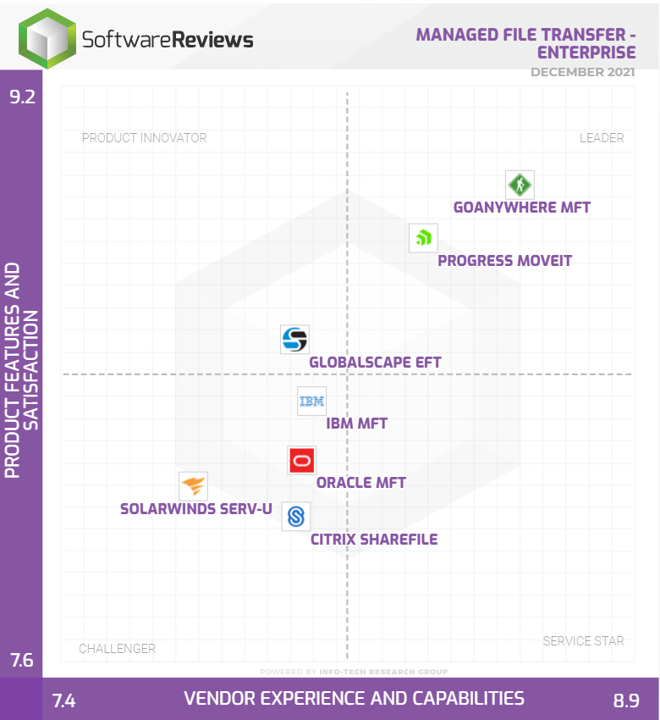 As 2021 draws to a close, Software Reviews have released their latest Info-Tech MFT Data Quadrant. Regular readers of this blog will remember we highlighted concerns about the 2019 report – namely that several of the featured products weren’t actually managed file transfer (see our full 2019 review below ).So, what does the 2021 report look like, and is it a more accurate reflection of the marketplace?
 As of May 2018, payment merchants and other credit card handling organisations will need to have familiarised themselves and have implemented the latest iteration of the PCI-DSS. In particular, this blog focuses on how version 3.2.1 affects managed file transfer solutions and how you can ensure your MFT solution stays compliant.
 After working with quite a few customers on upgrading their MOVEit installations over the past six months, there is one thing which we have noticed is being frequently overlooked - the regular execution of maintenance tasks, which help to keep MOVEit healthy and operationally functional.
 Why Businesses Are Adopting Cloud Solutions for Secure File Transfer
 We live in a world of integration and automation. One where isolated or siloed applications are no longer palatable for the complex tasks and operations of the modern organisation. One such example of this has been the efforts on the part of Microsoft to integrate all of their applications or solution stack, as they call it.
 Pro2col’s Ailsa Gibbs offers pragmatic solutions to Gartner’s advice to government on digital transformation. This article covers crisis recovery, data standardisation and governance.
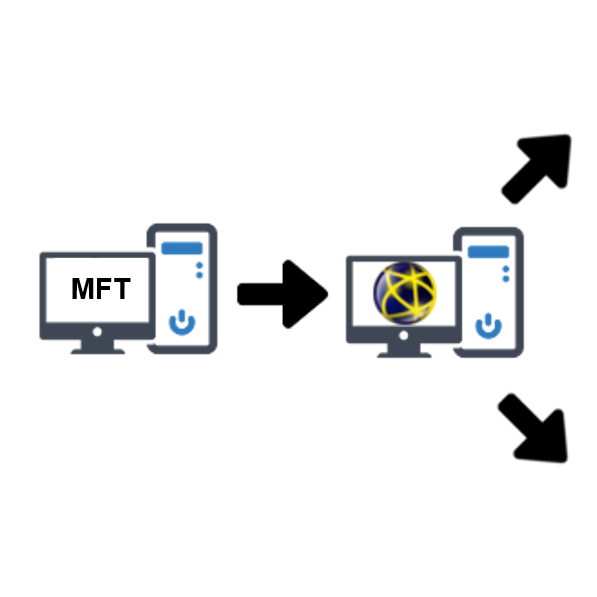 Using a DLP MFT combination, you can extend security, whilst minimising disruption to business processes and workflows.
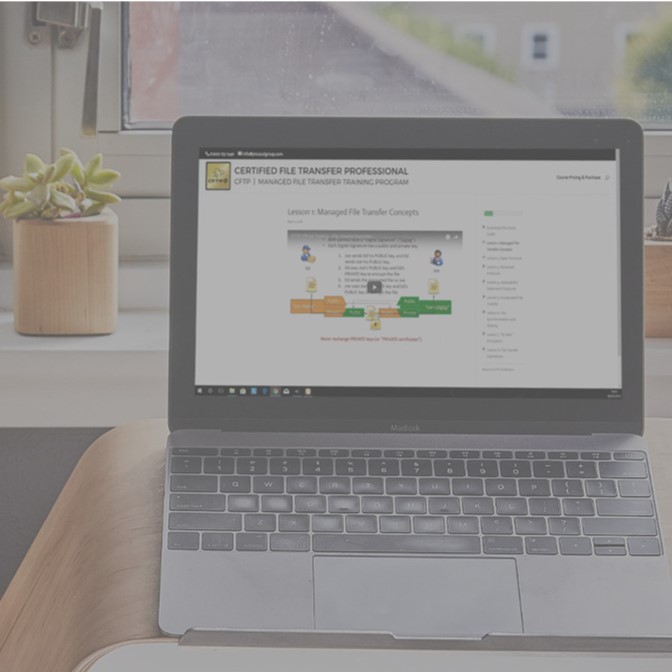 To support businesses through COVID-19, we embarked upon a plan to give away our Certified File Transfer Professional (CFTP) training programme, completely free of charge.